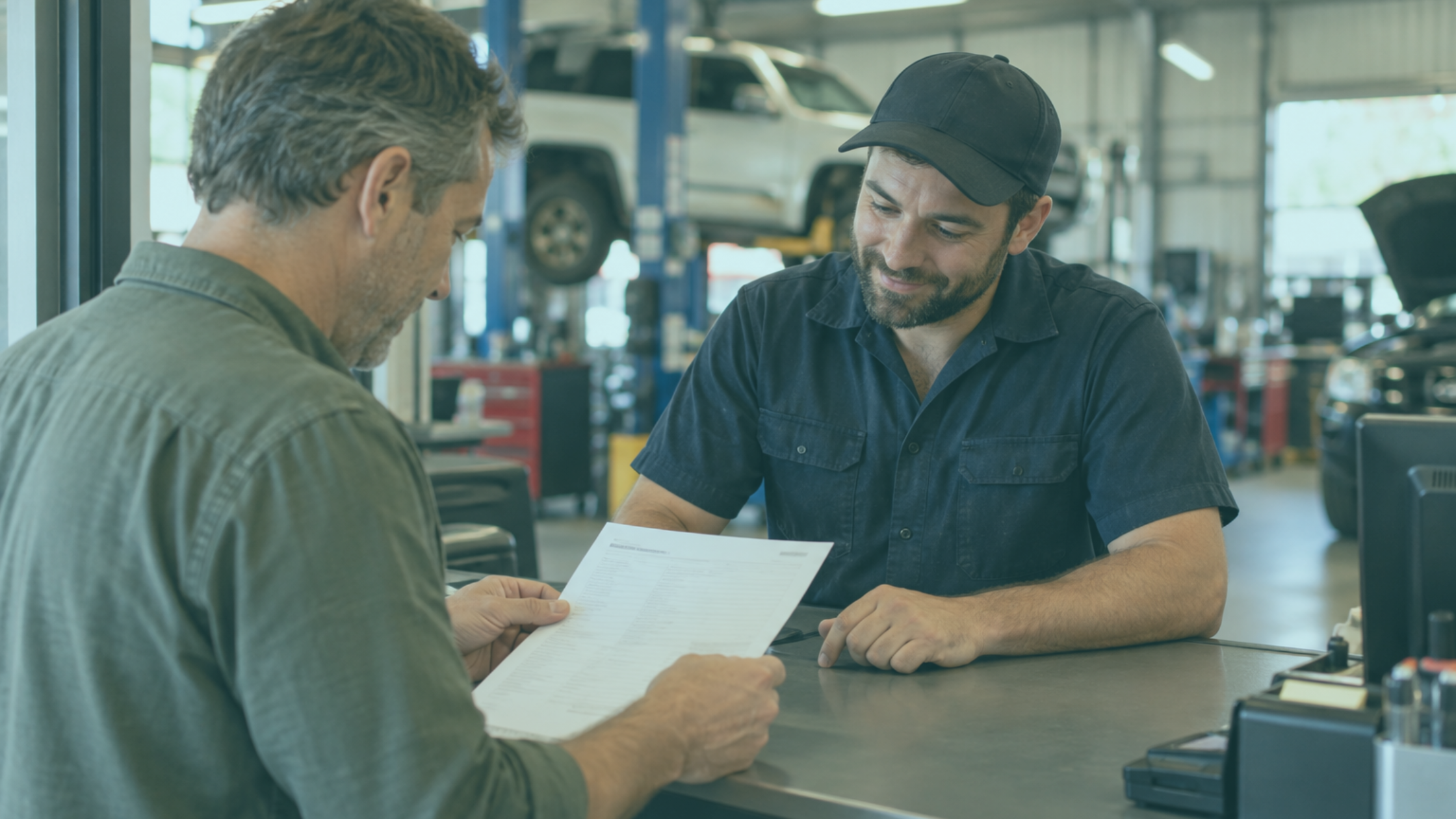
The customer is standing at the counter, reading the invoice. It's more than they expected. You can see them doing the maths, and you can see them deciding whether to believe it.
That moment is where trust is won or lost. Most of it was decided before they walked back in.
Customers trust a workshop that's upfront with them. Not the one with the best-looking website. The one that tells them what to expect, says what's included and what isn't, and picks up the phone when the job changes. That's transparency, and it does more for trust than any amount of polish.
Key takeaways
- Trust comes from being upfront, not from looking polished.
- Customers want to know the job, the cost and the timing before they hand over the keys.
- A phone call before a job grows builds more trust than any explanation at pickup.
- Being clear about price rarely costs you the customers worth keeping. Surprises do.
Why doesn't a polished workshop automatically earn trust?
A clean waiting room is nice. A sharp website helps. A good-looking social feed doesn't hurt.
None of it is trust.
Polish tells a customer you care how you look. Trust is whether they believe you'll do what you said you would. Those are different things, and customers can tell the difference inside one visit.
What they want is simpler than most marketing makes it. Before they hand over the keys, they want to know what the job is, roughly what it'll cost and when they'll get the car back. Then they want to believe you'll do what you said.
Transparency removes the uncertainty. And uncertainty is what makes a customer ring around.
What does being upfront look like in a workshop?
Three things. None of them cost money. All of them take a habit.
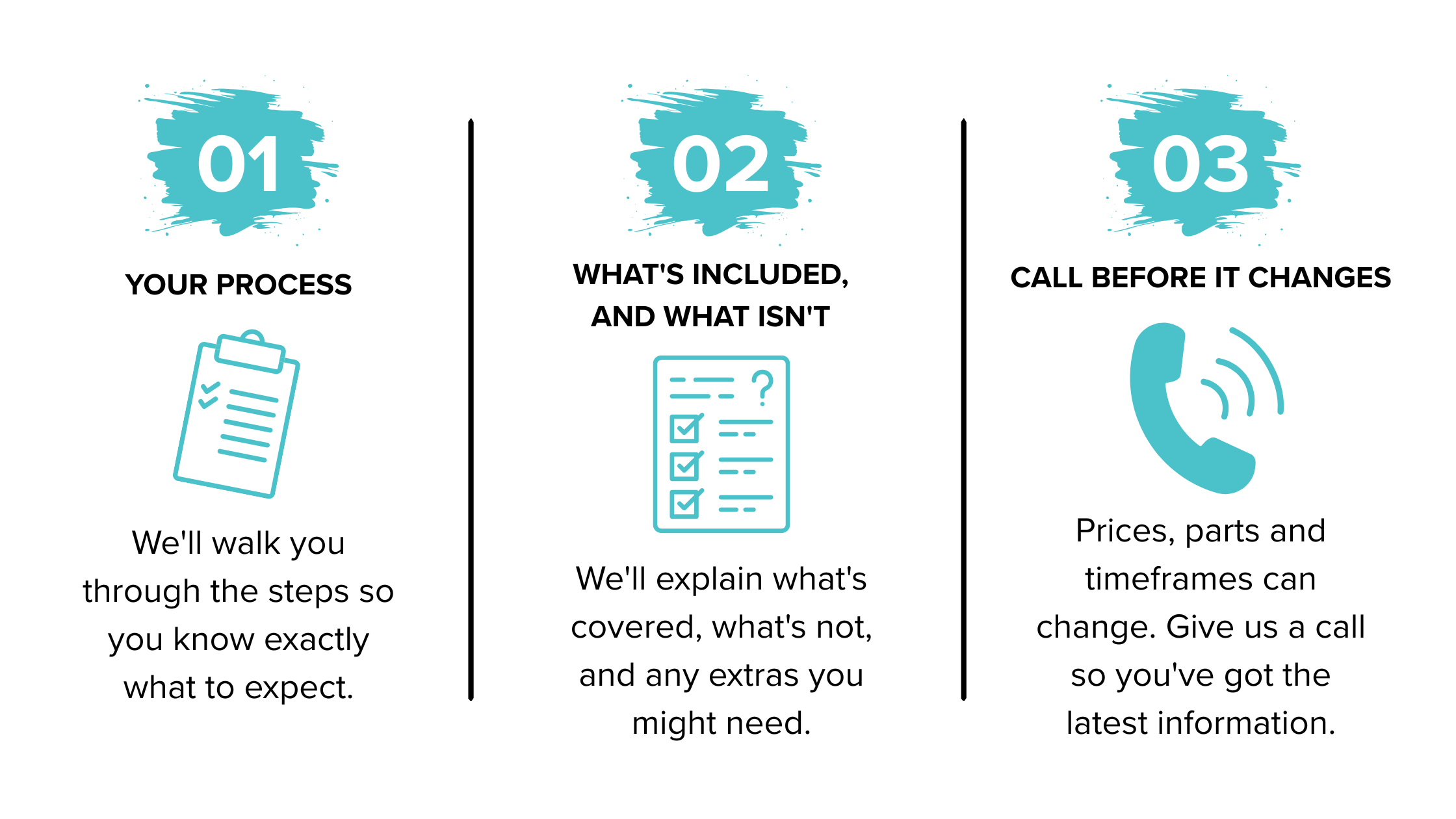
Be upfront about your process
Most customers have no idea what happens between handing over the keys and getting the call. To them, the car disappears into a bay and comes back with a bill.
So tell them. When you'll look at it. When they'll hear from you. What happens if you find something. When it'll be ready, and what happens if it won't be.
It takes a minute at the counter. It saves the "any news?" calls all afternoon.
Say what's included, and what isn't
"A service" means something specific to you. It means something vaguer to the customer, and the gap between the two is where complaints start.
Put it on the quote and say it out loud. What the job covers. What it doesn't. What you'll check while you're under the bonnet, and what would need their go-ahead first.
A customer who knew something wasn't included doesn't feel caught out when it comes up. A customer who assumed it was, does.
Call when things change, not at pickup
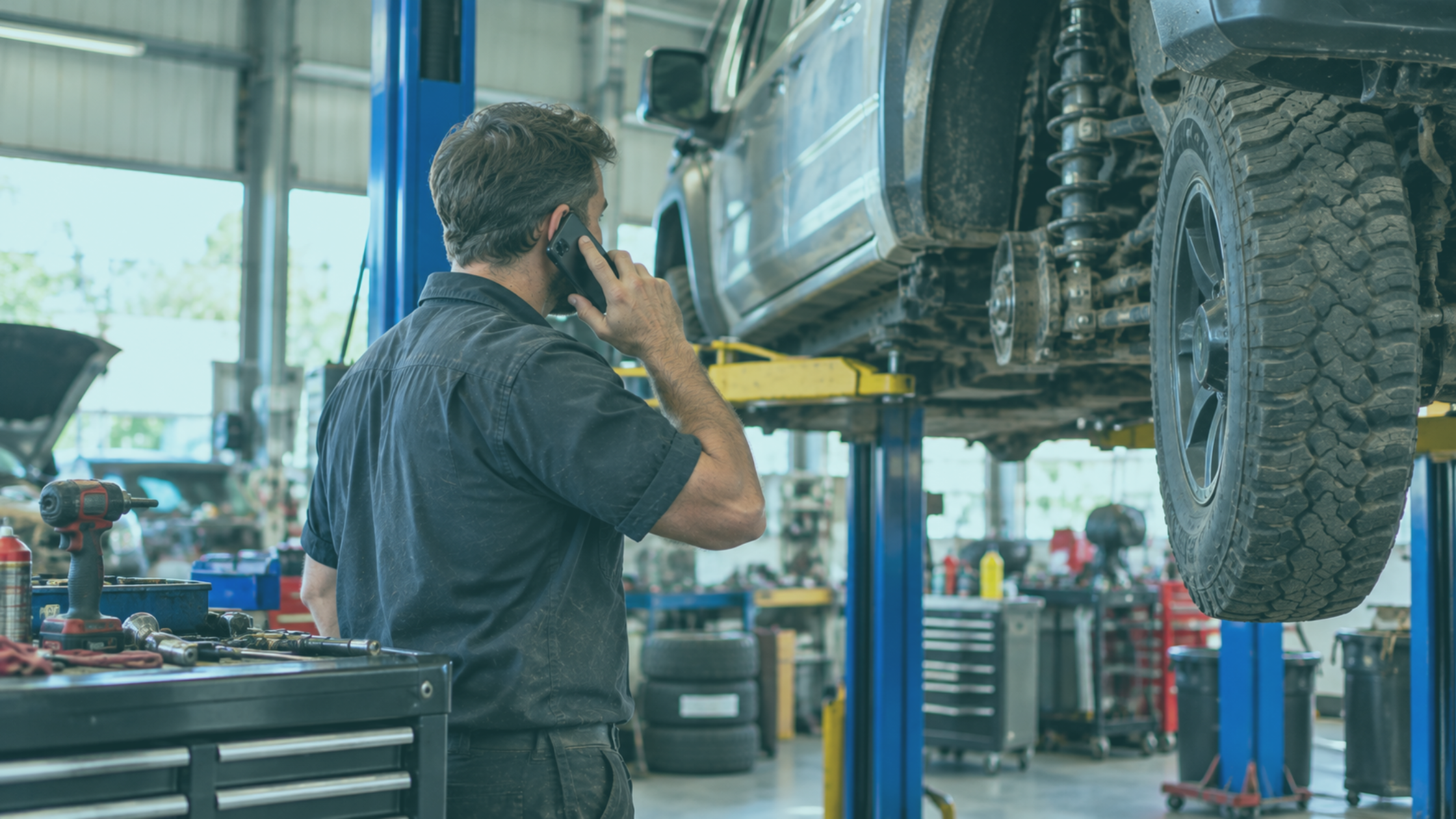
Every workshop knows this job. Booked in for one thing, and once it's up on the hoist there's something else.
The worst version is the customer finding out at the counter. The bill's bigger, the explanation comes after, and it sounds like an excuse even when it's true.
The better version is a phone call before you go any further. What you found, why it matters, whether it needs doing now or can wait, and what it'll cost. Then they decide.
Same job. Same price. A completely different customer at pickup.
That's the difference between communicating openly and hoping nobody notices.
Won't being honest about price cost you the job?
It's the worry that keeps a lot of workshops vague. Say the full number and they'll go somewhere cheaper. Mention what isn't included and they'll think you're padding the bill.
From inside a workshop, it usually runs the other way. People trust someone who talks to them straight far more than someone who looks perfect.
The customer who walks because you were clear about price was probably shopping on price anyway. The one who stays now has a reason to come back, and a reason to tell their mates.
Don't be cheap. Be better. Being clear about what better costs is part of being better.
Does being transparent make a workshop look less professional?
No. It makes it look human.
Nobody believes a workshop never finds anything unexpected, never runs late and never has a part held up. Pretend otherwise and the first slip costs you. Be upfront and the slip is just a Tuesday.
And people book with workshops they trust.
A quick check for your workshop
Ask yourself:
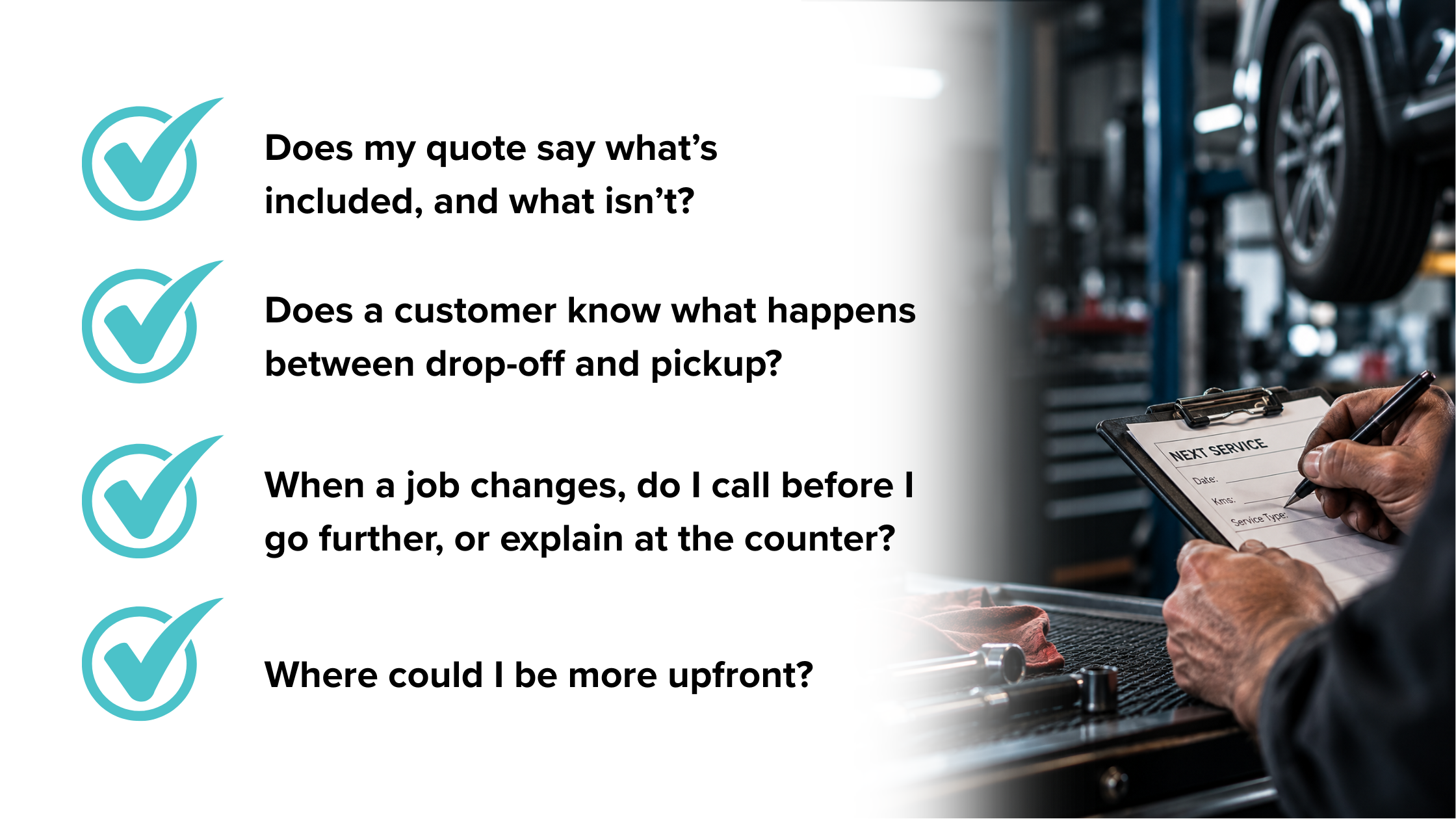
- Does my quote say what's included, and what isn't?
- Does a customer know what happens between drop-off and pickup?
- When a job changes, do I call before I go further, or explain at the counter?
- Where could I be more upfront: on the phone, at the counter or on the invoice?
Pick a few recent quotes and read them the way your customer would. If you'd have questions, so did they.
Should you expect the same from whoever runs your marketing?
Yes. Everything above applies to the people you pay to do your marketing.
You should know what's being done and what's included. You should own your ad accounts, in your name, with full access. Your reports should be in plain English. And you should hear it straight when something isn't working, not find it buried in a monthly report.
That's the standard Marketing Unagency Co. works to, with no lock-in. Hold anyone to it, us included.
If you'd like to see what that looks like for your workshop, the conversation is there when you're ready.
Trust isn't built by saying the right thing. It's built by consistently doing what you said you would do.
Frequently asked questions
How do you build trust with new customers at a mechanical workshop?
Be upfront before the work starts. Explain your process, put what's included and what isn't on the quote, and tell them when they'll hear from you. New customers are deciding whether to believe you. Clear expectations, then doing exactly what you said, is what turns a first visit into a regular.
What should a workshop do when a job turns out bigger than quoted?
Call the customer before going any further. Tell them what you found, why it matters, whether it needs doing now or can wait, and what it will cost. Then let them decide. Finding out at the counter feels like a surprise bill, even when the extra work was genuinely needed.
Does being upfront about price lose a workshop customers?
Rarely the ones worth keeping. A customer who leaves because you were clear about price was likely shopping on price anyway. Customers who value good work tend to trust a workshop more when there are no surprises, and that trust is what brings them back and gets you recommended.
Does a good website build trust for a workshop?
A good website helps customers find you and take you seriously, but it doesn't build trust on its own. Trust comes from what happens next: clear quotes, clear expectations and a call when things change. Polish can win the first booking. Being upfront is what earns the second.